



Quick Summary:
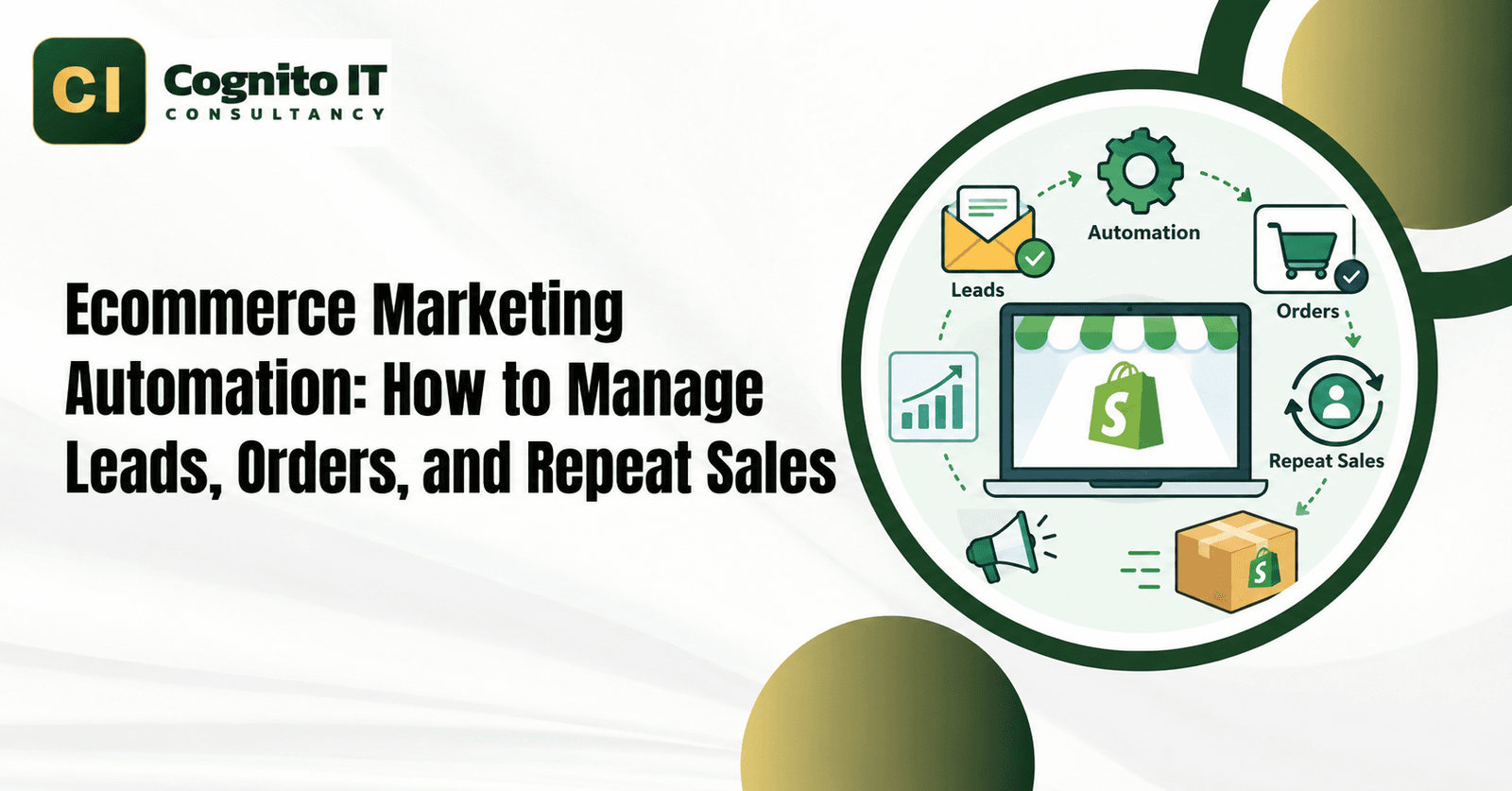
Ecommerce marketing automation connects your store software to customer email tools. This system sends welcome notes to new buyers. Automated alerts update shoppers about package delivery status. Store owners drive repeat sales without doing manual typing.
Ecommerce marketing automation helps online store owners send targeted messages to buyers using configured software rules. Running an online shop without automated messaging creates extra manual work for store teams. Setting up proper ecommerce marketing automation lets you target new leads, manage order events, and win back past shoppers effectively.
What Is Ecommerce Marketing Automation and Why Do You Need It?
Ecommerce marketing automation links your online store database to email and SMS messaging tools. Store owners miss revenue opportunities when they forget to follow up with shoppers who leave items behind. A solid ecommerce marketing automation setup triggers reminder messages for interested website visitors. Your team saves hours of manual data entry every single day through ecommerce marketing automation.
Shopify Ecommerce Automation Architecture
Connecting store data to messaging platforms requires a structured data pipeline.
Shopify
↓
Customer Data
↓
Segmentation
↓
Automation Platform
↓
Email/SMS
↓
Conversion
↓
Analytics
- Shopify Data: Customer records, order history, metafields, and webhooks feed into the integration layer for ecommerce marketing automation.
- Segmentation: Systems divide shoppers into lists based on purchase frequency, cart activity, and engagement.
- Automation Platform: Triggers specific email or text messages when customer actions match predefined rules.
Transactional vs. Marketing vs. Retention Automation
Clear separation between messaging categories ensures legal compliance and clear communication.
- Transactional automation: Automated order receipts, shipping notifications, and password resets required to fulfill a purchase.
- Marketing automation: Promotional campaigns, welcome series, and abandoned cart reminders designed to drive sales via ecommerce marketing automation.
- Retention automation: Post-purchase review requests, replenishment reminders, and VIP loyalty rewards.
| Automation Category | Primary Purpose | Example Message |
| Transactional | Fulfill purchase | Order confirmation |
| Marketing | Drive conversions | Welcome discount |
| Retention | Encourage repeat purchases | Replenishment reminder |
How Lead Capture Workflows Turn Visitors Into Buyers
Turning website visitors into subscribers requires clear sign-up forms and relevant introductory offers.
Lead Capture Steps
- Welcome Series: New subscriber email lists send introductory content or store discounts straight to visitor inboxes.
- Browse Abandonment: Automated triggers message shoppers who viewed specific product categories without adding items to a cart.
- Cart Abandonment: Timed reminder emails dispatch automatically when shoppers leave items sitting in their online shopping carts.
- Exit Popups: Website tools detect cursor movements heading toward close buttons to display sign-up forms.
How Customer Segmentation Targets Specific Shoppers
Grouping store buyers helps brands send relevant messages based on real shopping behavior.
- New subscribers: Users who joined your email list but have not purchased yet.
- First-time buyers: Customers who completed a single transaction.
- Repeat customers: Buyers with multiple orders over their customer lifecycle.
- VIP customers: High-value buyers who generate significant total revenue.
- Inactive customers: Past shoppers who have not opened emails or bought items in months.
How Retention Workflows Drive Repeat Customer Sales
Winning back past buyers relies on structured post-purchase follow-up sequences.
First Purchase
↓
Thank You / Education
↓
Product Usage Period
↓
Review Request
↓
Cross-Sell
↓
Expected Reorder Date
↓
Replenishment
↓
VIP / Loyalty
↓
Win-Back
- Review Requests: Automated emails ask buyers for feedback after delivery windows close.
- Cross-Sell: Suggest matching accessories shortly after a primary product delivery.
- Replenishment: Automated reminders prompt customers to reorder consumable goods on schedule.
- Win-Back Campaigns: Target inactive buyers with special offers to revive engagement.
Managing Privacy, Consent, and Compliance
Messaging platforms must adhere strictly to data privacy regulations and subscriber permissions.
- Marketing Consent: Explicit opt-in checkboxes are required before sending promotional emails or text messages.
- Unsubscribe Handling: Every campaign must include working opt-out links that update suppression lists immediately.
- SMS Compliance: Text messaging requires separate mobile consent records and clear reply instructions.
- Data Access: Secure database controls protect customer purchase history and personal details.
What Factors Determine Automation Software Costs?
Software pricing and platform fees change based on operational scale and technical requirements.
- Contact volume: Total number of active subscriber profiles stored in your database.
- Message volume: Monthly limits on sent emails and SMS text messages.
- Number of workflows: Complexity and quantity of automated customer journeys powered by ecommerce marketing automation.
- CRM and ERP integration: Custom software engineering required to link external enterprise databases.
- Reporting and maintenance: Advanced analytics tracking and ongoing system monitoring.
Example Architecture: Shopify Marketing Automation Setup
A multi-channel online retailer can connect Shopify customer data and webhooks through an automation middleware platform to trigger personalized email and SMS campaigns based on real-time order and browsing events.
- Business Challenge: An online apparel brand struggled to follow up manually with website visitors who abandoned checkout carts.
- Integration Architecture: Connected Shopify customer and order webhooks to an email automation platform.
- Workflows Implemented: Configured automated welcome series, cart reminders, and post-purchase replenishment sequences.
- Outcome: Improved lead conversion rates and streamlined repeat customer engagement.
How Cognito IT Handles Custom Ecommerce Automation
Cognito IT builds custom customer journey workflows designed to align online store data with automated messaging platforms.
- Audit Shopify customer data, order history, and existing email platform setups.
- Map custom customer segments, tags, and metafield routing rules for ecommerce marketing automation.
- Connect CRM databases, SMS gateways, and ERP middleware securely.
- Implement privacy consent protocols, suppression lists, and bounce handling.
- Test automated email and SMS workflows in a secure sandbox before live deployment.
Contact the team at Cognito IT Consultancy or call +91 81477 17676 📞 to talk about your store.
Click here to get the best Shopify CRO Services to increase conversions. Also get Shopify SEO, Store Setup, Theme Customization, and Migration Services.
Follow us on Facebook and Instagram for more tips and updates.
Frequently Asked Questions
1. What is ecommerce marketing automation?
Ecommerce marketing automation sends trigger-based emails and text messages to store leads and buyers automatically based on their behavior.
2. What is the difference between transactional and marketing automation?
Transactional automation handles order receipts and shipping updates, while marketing automation drives promotional sales and lead engagement.
3. How does Shopify connect with marketing automation platforms?
Shopify connects through native apps, webhooks, and APIs to sync customer profiles, product catalogs, and order events for ecommerce marketing automation.
4. How does abandoned cart automation work?
Abandoned cart workflows trigger timed reminder messages when shoppers add items to their cart but leave without completing checkout.
5. What is browse abandonment?
Browse abandonment triggers messages when a visitor views specific product or category pages without adding items to a shopping cart.
6. How do post-purchase workflows increase repeat purchases?
Post-purchase workflows deliver review requests, cross-sell recommendations, and replenishment reminders at appropriate times.
7. How do you segment Shopify customers?
Shopify customers are segmented by purchase history, order value, product interest, and engagement level using tags and metafields.
8. Can Shopify customer data trigger email and SMS workflows?
Yes, Shopify customer actions like order creation and account signup serve as triggers for automated messaging platforms.
9. Can ecommerce automation integrate with CRM/ERP?
Yes, custom middleware layers can bridge marketing platforms with enterprise resource planning and customer relationship management systems.
10. Why choose Cognito IT for your project?
Cognito IT builds custom ecommerce marketing automation solutions that boost leads, orders, and repeat sales. 📞 Call Cognito IT today at +91 81477 17676