

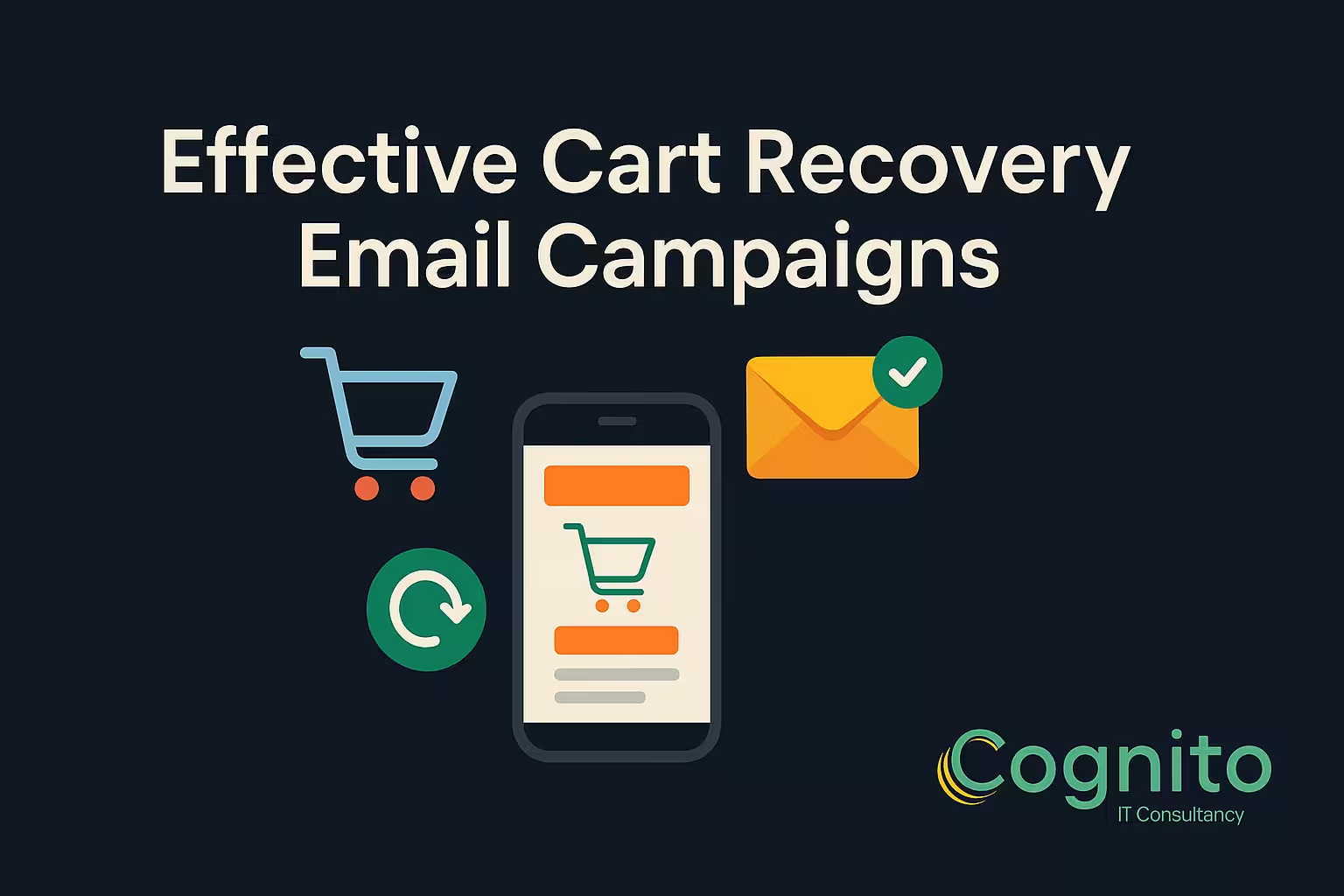
Every abandoned cart represents lost revenue, missed opportunities, and customers who were almost ready to buy. That’s why Effective Cart Recovery Email Campaigns are one of the strongest tools in e-commerce today. These emails help brands reconnect with shoppers, rebuild momentum, and complete purchases without pressure.
A well-timed, well-crafted recovery email can rescue up to 30% of abandoned carts, making it one of the most profitable communication channels your brand can use.
Introduction: Why Effective Cart Recovery Email Campaigns Matter
Cart abandonment rates are high across every industry. Customers add items, browse for a few minutes, then disappear. But what most brands don’t realize is that shoppers often need just a small nudge to come back.
This is where Effective Cart Recovery Email Campaigns shine. They deliver helpful reminders, show product value, and reduce friction. When done right, they feel personal, friendly, and supportive—not salesy.
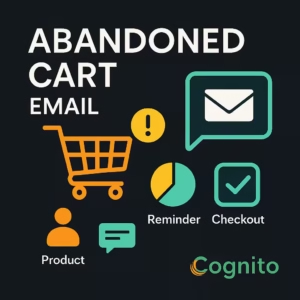
Understanding the Power of Cart Recovery
Why Shoppers Abandon Carts
There are many reasons: unexpected fees, slow checkout, long forms, or simple distraction. Most shoppers do not abandon because they dislike the product.
How Emails Bring Buyers Back
Recovery emails appear at the right moment with the right message. They build trust, reduce doubt, and offer a smooth path back to checkout.
Key Elements of Effective Cart Recovery Email Campaigns
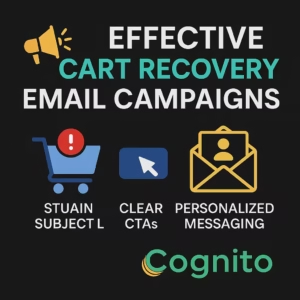
Strong Subject Lines
Clear, short, and benefit-driven subject lines improve open rates.
Clear CTAs
Buttons like “Return to Your Cart” or “Complete Your Order” improve conversion.
Personalized Messaging
Using customer names, product names, and cart details increases engagement.
Designing High-Impact Cart Recovery Emails
Mobile-Friendly Layouts
Most recovery emails are opened on phones. Clean, vertical layouts perform best.
Clean Email Structure
A simple layout with product images, benefits, and one strong CTA works well.
Including Visual Cues in Cart Reco
very Emails
Product Images
Seeing the items again triggers desire and memory.
Progress Indicators
Small milestones reassure buyers that checkout is quick and simple.
Using Incentives the Smart Way
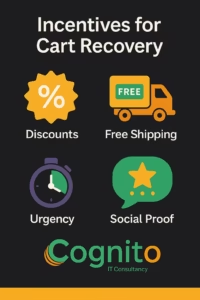
Discount Triggers
A small discount encourages hesitant shoppers but must be used wisely.
Free Shipping Offers
Free shipping remains the #1 incentive for completing purchases.
Behavioral Timing for Effective Cart Recovery Email Campaigns
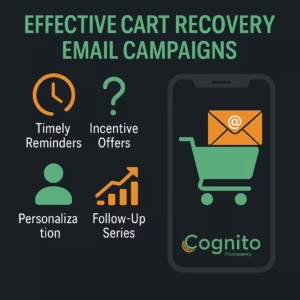
1-Hour Reminder
Catches shoppers while interest is still high.
24-Hour Follow-Up
Provides a gentle nudge to re-engage.
3-Day Final Nudge
A last reminder for shoppers who need more time.
Automation Tools for Effective Cart Recovery Email Campaigns
Email Platforms
Tools like Klaviyo, Mailchimp, and Omnisend automate the entire sequence.
Personalization Tools
AI personalization engines tailor emails based on browsing behavior and cart contents.
Common Mistakes to Avoid
Overusing Discounts
Training customers to wait for discounts lowers profitability.
Too Many Follow-Ups
Flooding inboxes can lead to unsubscribes and reduced trust.
Industry Examples
E-commerce Example
Brands like ASOS use friendly reminders and dynamic product blocks to bring customers back.
DTC Example
Skincare brands often highlight product benefits, urgency, and social proof to re-engage hesitant shoppers.
FAQs
- How many cart recovery emails should I send?
Three emails are optimal: 1-hour, 24-hour, and 3-day. - Should cart recovery emails include discounts?
Only sometimes—use them sparingly. - Do visuals help?
Yes. Product images dramatically increase conversions. - Do recovery emails work for all industries?
Almost every online business benefits from them. - Which CTA works best?
Simple buttons like “Return to Cart” or “Complete Purchase.”
Conclusion
Effective Cart Recovery Email Campaigns turn lost revenue into recovered profit. With strong messaging, smart incentives, and perfect timing, these emails build confidence and guide shoppers back to checkout.
When done correctly, they feel like helpful reminders—not pressure.
→ Get a Personalized Recommendation from Cognito.
📩 Get your free audit here: https://cognitoitconsultancy.com/
📧 Book a Strategy Call: sandy@cognitoitconsultancy.com
👉 Meet Now: https://cal.com/cognitoitconsultancy/30min
🔗 Shopify Experts: Click Here
Follow Us for More Insights on D2C and Digital Transformation
Stay ahead of the curve in e-commerce, digital strategy, and IT consulting by connecting with us on our social platforms: