
The New Frontier: How Influencer-Led D2C Brands Are Disrupting E-commerce
The digital landscape has dramatically reshaped the path to entrepreneurship. Gone are the days when launching a successful brand required massive advertising budgets and traditional retail channels. Today, a powerful new model is emerging: influencer-led D2C brands. These innovative ventures leverage an influencer’s pre-existing, highly engaged audience to build a brand from scratch, bypassing many of the initial hurdles faced by traditional startups.
If you’re tracking D2C trends or looking for inspiration in the creator economy, understanding this phenomenon is crucial.
What Are Influencer-Led D2C Brands?
At its core, an influencer-led D2C brand is an e-commerce business where the founder is a social media influencer with a significant and loyal following. Instead of merely promoting other brands (as is common in traditional influencer marketing), these creators launch and market their own products directly to their audience.
This model flips the traditional marketing funnel on its head. Instead of spending heavily on customer acquisition, these brands already have a built-in customer base eager to support them.
The Unfair Advantage: Why Influencers Win in D2C
The success of influencer-led D2C brands isn’t accidental; it’s built on several distinct advantages:
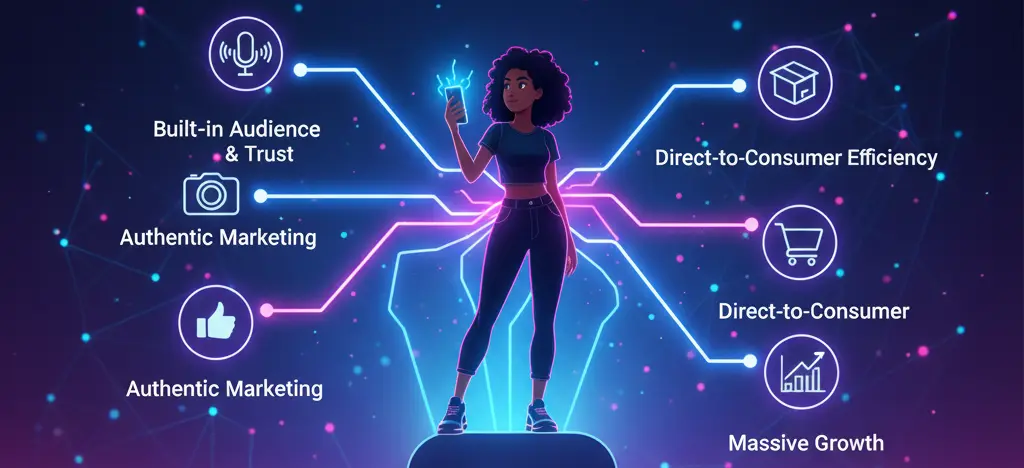
- Built-in Audience & Trust: Influencers spend years cultivating trust and rapport with their followers. When they launch a product, their audience is often pre-disposed to believe in its quality and align with its values. This eliminates the massive hurdle of initial brand awareness and trust-building.
- Authentic Marketing: Every piece of content an influencer creates can double as authentic marketing for their brand. Product placement feels natural, and testimonials come directly from a trusted source – the influencer themselves. This resonates deeply with modern consumers who value authenticity.
- Deep Market Understanding: Influencers intimately understand their niche. They know what their audience wants, what problems they face, and what products are missing from the market. This direct insight often leads to highly successful product-market fit.
- Cost-Effective Launch: With an established audience, the cost of customer acquisition is dramatically reduced. Influencers can effectively market their products through their existing channels (social media, newsletters, podcasts) without needing extensive paid advertising from day one.
- Direct-to-Consumer Efficiency: Operating on a D2C model allows these brands to control the entire customer journey, from product development and manufacturing to marketing and sales. This leads to higher margins, better customer service, and the ability to adapt quickly.
From Creator to Entrepreneur: Success Stories
The landscape is rich with examples of influencers successfully transitioning into formidable D2C entrepreneurs. Take Kylie Jenner’s Kylie Cosmetics, for instance. Starting with her massive social media following, she launched a beauty brand that quickly became a billion-dollar enterprise, largely thanks to direct engagement with her audience.
Another powerful example comes from the fitness and lifestyle space. Look at brands like Gymshark (founded by Ben Francis, who built a strong social presence) or, more recently, creators in the sustainable living space. For example, Emma Chamberlain’s coffee company, Chamberlain Coffee, is a prime example of an influencer leveraging her authentic voice and massive YouTube following to build a thriving D2C brand centered around her lifestyle and values.
The Future of Branding is Personal
The rise of influencer-led D2C brands signals a significant shift in the e-commerce industry. It highlights the immense power of personal branding, authentic connection, and a deep understanding of niche communities. For aspiring entrepreneurs, it offers a compelling blueprint: build your audience, understand their needs, and then create products that authentically serve them.
This model is not just about celebrity endorsements; it’s about genuine influence transforming into lasting economic value. As the creator economy continues to mature, we can expect to see even more innovation in how influencers become formidable brand builders.