
How Shopify is Paving the Way for the Future of D2C
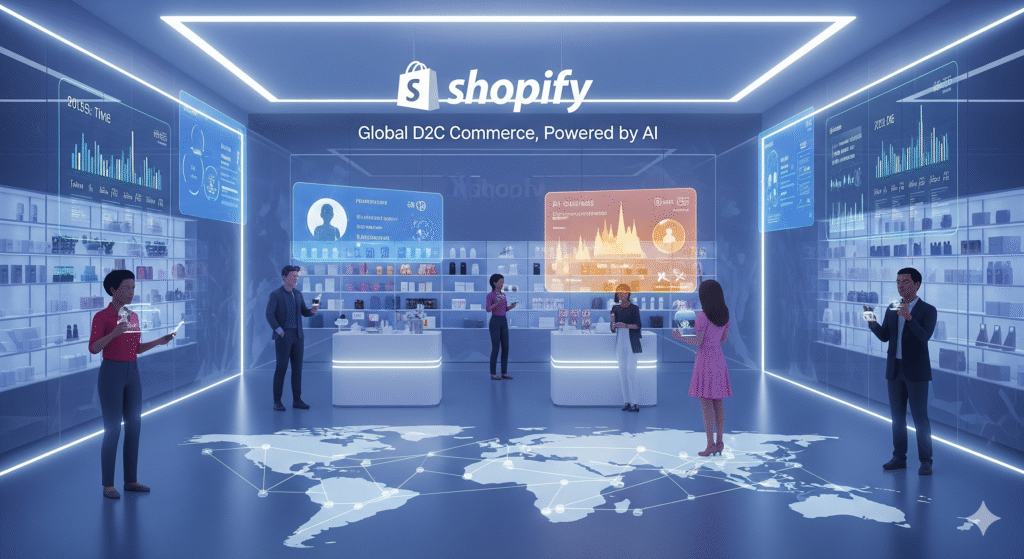
The Direct-to-Consumer (D2C) model has revolutionized how brands connect with their customers. By bypassing traditional retail middlemen, businesses can build direct relationships, control their brand narrative, and increase profit margins. At the heart of this revolution is Shopify, a platform that has become the definitive choice for D2C brands of all sizes.
Here’s a look at why Shopify is not just another e-commerce platform but the future of D2C.
1. Unmatched Scalability and Performance
D2C brands often experience rapid growth, and the ability to scale seamlessly is non-negotiable. Shopify’s infrastructure is designed to handle this. Whether you are a solo entrepreneur starting with a few products or a global brand managing thousands of SKUs, Shopify provides a robust and reliable foundation.
Elastic Cloud Infrastructure: Shopify’s architecture ensures that your store can handle massive traffic spikes during peak seasons like Black Friday without crashing.
Global Reach: Features like Shopify Markets simplify international selling by managing localized pricing, currency conversion, taxes, and shipping, allowing brands to expand globally with ease.
Headless Commerce: For enterprise-level brands, Shopify’s headless commerce solutions like Hydrogen and Oxygen offer complete flexibility, allowing them to create unique, custom front-end experiences while leveraging Shopify’s powerful back-end.
2. The Power of AI and Personalization
In a crowded market, personalization is the key to standing out. Shopify is at the forefront of integrating AI into its platform, giving D2C brands a significant competitive edge.
Shopify Magic and Sidekick: These built-in AI tools automate a wide range of tasks, from generating product descriptions and ad copy to providing data-driven business insights. This frees up merchants to focus on strategy and growth.
Intelligent Recommendations: AI-powered product recommendations improve the customer journey by suggesting relevant items, which can significantly increase conversion rates and average order value.
3. Seamless Omnichannel and Social Integration
The modern customer journey is no longer confined to a single website. Shopify understands this, providing a unified platform to sell across multiple channels.
One Central Dashboard: Brands can manage all their online, offline, social, and marketplace sales from a single Shopify admin.
Social Commerce: Deep integrations with platforms like Instagram, TikTok, and Facebook allow brands to reach customers where they are and turn social followers into paying customers. The ability to sell directly on social media streamlines the path from discovery to purchase.
4. The World’s Best-Converting Checkout
Cart abandonment is a major challenge for D2C businesses. Shopify has tackled this head-on with Shop Pay, a one-click checkout system that stores customer payment and shipping details.
Fast and Frictionless: Shop Pay offers a secure, ultra-fast checkout experience that has been proven to significantly reduce cart abandonment rates, leading to higher conversion rates for merchants.
Trust and Security: Shopify provides Level 1 PCI DSS compliance, ensuring that all customer data and transactions are handled securely, building trust with your audience.
5. Data-Driven Decision Making
One of the greatest benefits of the D2C model is the ability to collect first-party customer data. Shopify provides robust analytics and reporting tools that turn this data into actionable insights.
Advanced Analytics: Merchants can track sales, monitor customer behavior, and identify trends to make informed business decisions.
Shopify Audiences: This tool leverages Shopify’s vast network of merchant data to help brands create high-intent audiences for targeted ad campaigns on platforms like Meta and Google, ultimately reducing customer acquisition costs.
Conclusion
Shopify has evolved from a simple e-commerce website builder into a comprehensive, future-proof ecosystem for D2C brands. Its focus on scalability, AI-powered automation, seamless integrations, and a frictionless customer experience gives businesses the tools they need to thrive. For any brand looking to connect directly with its customers and build a lasting legacy, Shopify is not just an option—it’s the clear path forward.