
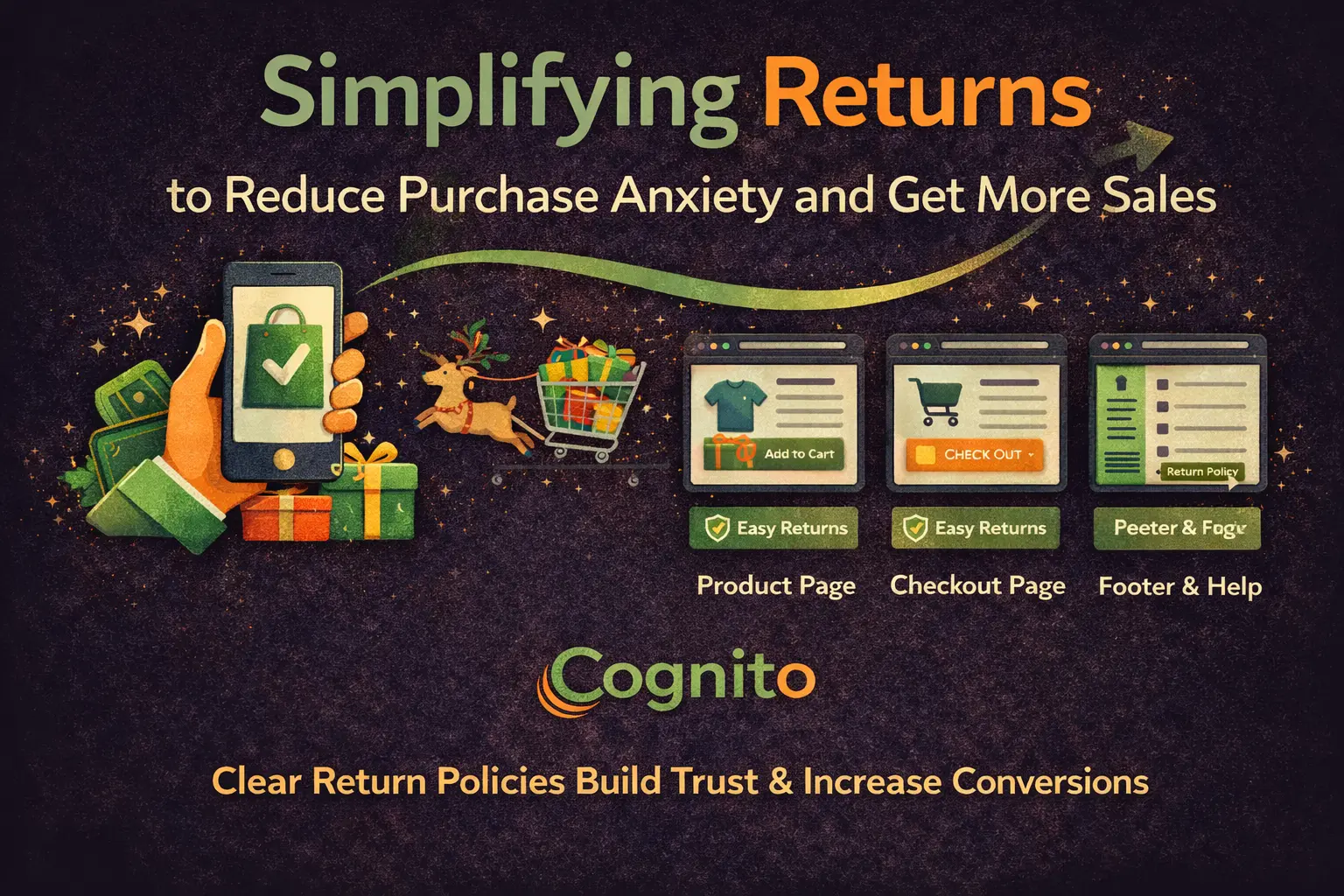
Simplifying Returns to Reduce Purchase Anxiety and Get More Sales
Online shoppers often hesitate at the final step of the checkout process. They like the product, trust the brand, and want to buy—but something stops them. In many cases, that hesitation comes from uncertainty about returns. Simplifying Returns removes this fear by giving customers clarity, control, and confidence.
When shoppers know that returns are easy, fair, and transparent, they are more likely to make purchases. Simplifying Returns isn’t just a customer service improvement—it’s a proven conversion strategy.
Introduction: Why Simplifying Returns Matters
Purchase anxiety is one of the biggest hidden conversion killers in e-commerce. Customers worry about sizing, quality, or whether a product will meet expectations. A complicated or unclear return policy increases this anxiety.
Simplifying Returns reassures customers before they buy. It signals confidence in your products and respect for your customers’ time. As a result, shoppers feel safer completing purchases—and sales increase.
Understanding Purchase Anxiety in E-commerce
What Causes Purchase Anxiety
Shoppers hesitate when they fear regret. Complex return rules, hidden fees, or unclear timelines amplify this fear.
How Returns Influence Buying Decisions
Customers often read the return policy before adding items to the cart. If the policy feels restrictive, many abandon the purchase altogether.
The Psychology Behind Simplifying Returns
Risk Reduction Builds Confidence
Easy returns reduce perceived risk. When risk goes down, conversion rates go up.
Trust Signals Drive Action
A simple return policy acts as a trust badge. It tells shoppers, “You’re safe buying from us.”
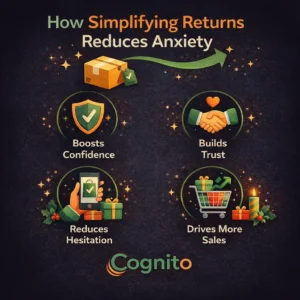
Key Benefits of Simplifying Returns
Higher Conversion Rates
Customers are more likely to complete purchases when they know returns are hassle-free.
Increased Average Order Value
Shoppers buy more items when they feel protected by an easy return process.
Stronger Brand Loyalty
Fair returns turn first-time buyers into repeat customers.
What Simplifying Returns Really Means
Clear and Transparent Policies
Avoid legal language. Use plain words that customers can quickly understand.
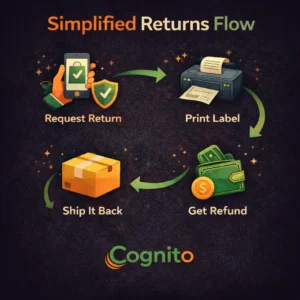
Minimal Steps for Returns
The fewer steps required, the better the experience.
Fast Refund Processing
Quick refunds reduce frustration and increase trust.
Designing a Customer-Friendly Return Policy
Short Return Windows That Still Feel Fair
Clearly state timelines without sounding restrictive.
No Hidden Fees or Conditions
Unexpected deductions damage trust and future sales.
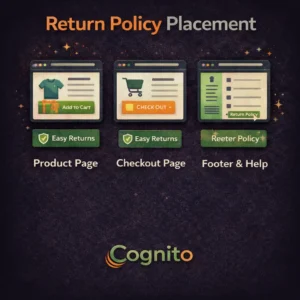
Where to Display Return Information
Product Pages
Showing return details near the “Add to Cart” button reduces hesitation.
Checkout Pages
Last-minute reassurance prevents abandonment.
Footer and Help Sections
Easy access improves transparency.
Using Simplifying Returns as a Conversion Tool
Return Messaging as a CTA Supporter
Phrases like “Free & Easy Returns” encourage action.
Returns as a Competitive Advantage
Many shoppers choose brands based on return convenience alone.
Automation and Technology in Simplifying Returns
Self-Service Return Portals
Customers prefer managing returns without contacting support.
Automated Status Updates
Tracking reduces uncertainty and support tickets.
Balancing Returns and Profitability
Smart Rules Without Complexity
You can protect margins without confusing customers.
Data-Driven Return Insights
Analyze why items are returned to reduce future returns.
Common Mistakes That Increase Purchase Anxiety
Overly Strict Policies
Harsh rules scare customers away.
Hidden Return Information
If customers have to search, trust is already lost.
Best Practices for Simplifying Returns
- Use clear language
- Offer prepaid labels where possible
- Show returns before checkout
- Keep steps minimal
- Communicate proactively
Real-World Examples
E-commerce Brand Example
Fashion brands offering free returns consistently outperform competitors with strict policies.
DTC Brand Example
DTC brands use easy returns to offset online sizing uncertainty.
FAQs
1. Does simplifying returns really increase sales?
Yes. Easier returns reduce anxiety and increase conversions.
2. Won’t easy returns increase return rates?
Not necessarily. Clear policies often reduce unnecessary returns.
3. Where should return policies be displayed?
Product pages, checkout, and help sections.
4. Are free returns necessary?
They help, but clarity matters more than cost.
5. How fast should refunds be processed?
Within a few days, whenever possible.
Conclusion
Simplifying Returns removes one of the biggest psychological barriers to online purchasing. When customers feel protected, they buy with confidence. Clear policies, minimal steps, and transparent communication transform returns from a cost center into a powerful sales driver.
If you want more sales, start by making returns easier.
→ Get a Personalized Recommendation from Cognito.
📩 Get your free audit here: https://cognitoitconsultancy.com/
📧 Book a Strategy Call: sandy@cognitoitconsultancy.com
👉 Meet Now: https://cal.com/cognitoitconsultancy/30min
🔗 Shopify Experts: Click Here
Follow Us for More Insights on D2C and Digital Transformation
Stay ahead of the curve in e-commerce, digital strategy, and IT consulting by connecting with us on our social platforms:


